
Closure
The Conversation After

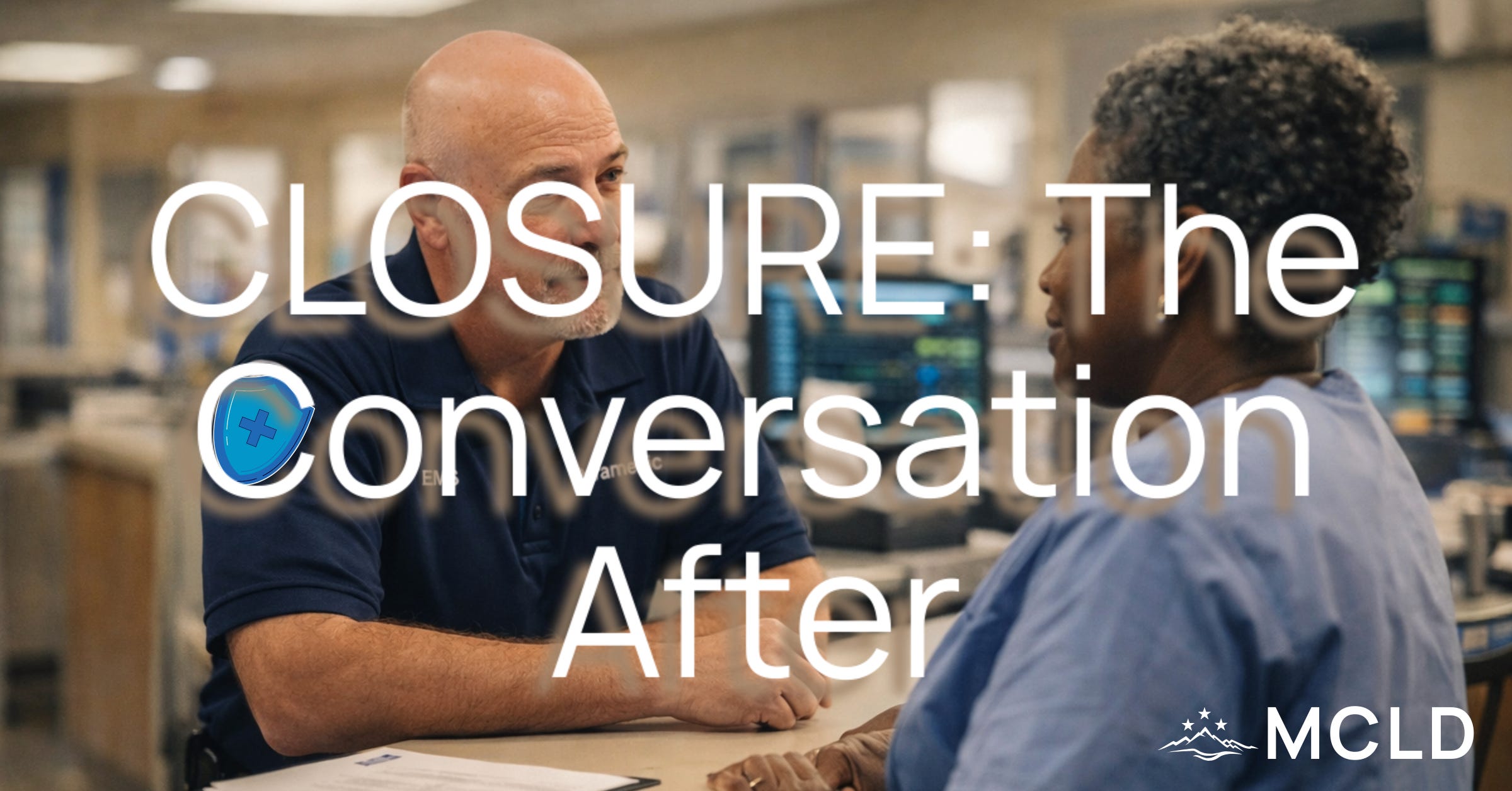
Sometimes the hardest part of a call is what stays unfinished after the handoff.
I kept checking.
We had brought him in during the early hours of Monday morning. By Wednesday afternoon, he was still listed in the SICU. That alone felt like something. A sign he was still in the fight. A sign that all of it, the basement, the airway, the CPR, the narrow stairs, the transport, had bought him time.
I kept asking through our EMS liaison at the hospital.
Nothing.
A week later, I stopped asking from a distance and went to the unit myself.
Sometimes the need to know does not go away. It sits with you. It follows you through other calls, other meals, other nights. Not because you think you are owed something, but because some calls do not let go cleanly. They leave unfinished emotional business behind.
When I got to the desk, I gave the clerk his name and waited while she searched.
At first, I was hopeful. Then I watched her face change.
I knew before she said it.
He had died.
It was not shock. Not really. More like the final click of something I had already begun to understand. We had done our best. The EMTs. My partner. The police officers helping us clear space, carry equipment, and get him up those stairs. We gave him a fighting chance. In the end, he still succumbed to his illness.
The clerk asked if I wanted to meet one of his nurses.
I said yes.
She introduced me as one of the providers who had brought him in.
What happened next surprised me.
I had gone there looking for an answer. What I found was something else.
Closure.
Not because the ending changed. It had not. He was still gone. But because the questions were not mine alone. I had spent days wondering what happened after we handed him off. The staff had been wondering just as much about what had happened before he reached them. We were standing on opposite sides of the same story, each holding pieces the other had never seen.
The details of that conversation belong where they should remain, among care providers. But what stays with me is the feeling of it.
The mutual curiosity.
The professional respect.
The human pull to understand how a life moved through our hands.
I had come in carrying the quiet weight of a patient whose outcome I could not stop thinking about. They had their own weight too. Different questions. Different moments. Same patient. Same unfinished thread.
And for a few minutes, that thread got tied off.
His nurse thanked me in a way I still never quite know how to receive. I have always defaulted to the same mindset. I was just doing my job. That answer still feels true to me. Yet standing there, listening to her speak, I was reminded that what feels routine to us often looks very different from the outside. She was struck by what paramedics are asked to do. What we are trained to carry. How much has to happen before the hospital ever sees the patient.
I was struck by something too.
How much hospital staff care.
How curious they are.
How much they wonder about the people who arrive in their unit with only fragments of a story attached.
The clerk and the nurse both seemed surprised that I had come back to check on him.
To me, it did not feel unusual.
It felt necessary.
Not every call ends when the stretcher crosses the threshold of the emergency department. Some stay with you. Some leave questions behind. Some make you wonder whether your effort mattered, even when the patient does not survive.
This one did.
We did not save him in the final sense.
But we gave him a chance.
We gave his nurses and doctors a patient who still had a chance.
We gave his story more time.
And in the end, even after his death, we gave one another something too often missing in this work.
A clearer picture.
A shared respect.
A measure of peace.
Closure does not always arrive the way you want.
Sometimes it arrives at a unit desk a week later, in the face of a clerk before she says a word.
Sometimes it arrives in a quiet conversation between people who cared for the same patient in different places.
Sometimes it arrives too late to change the outcome.
But it still matters.
A lot.
About the author
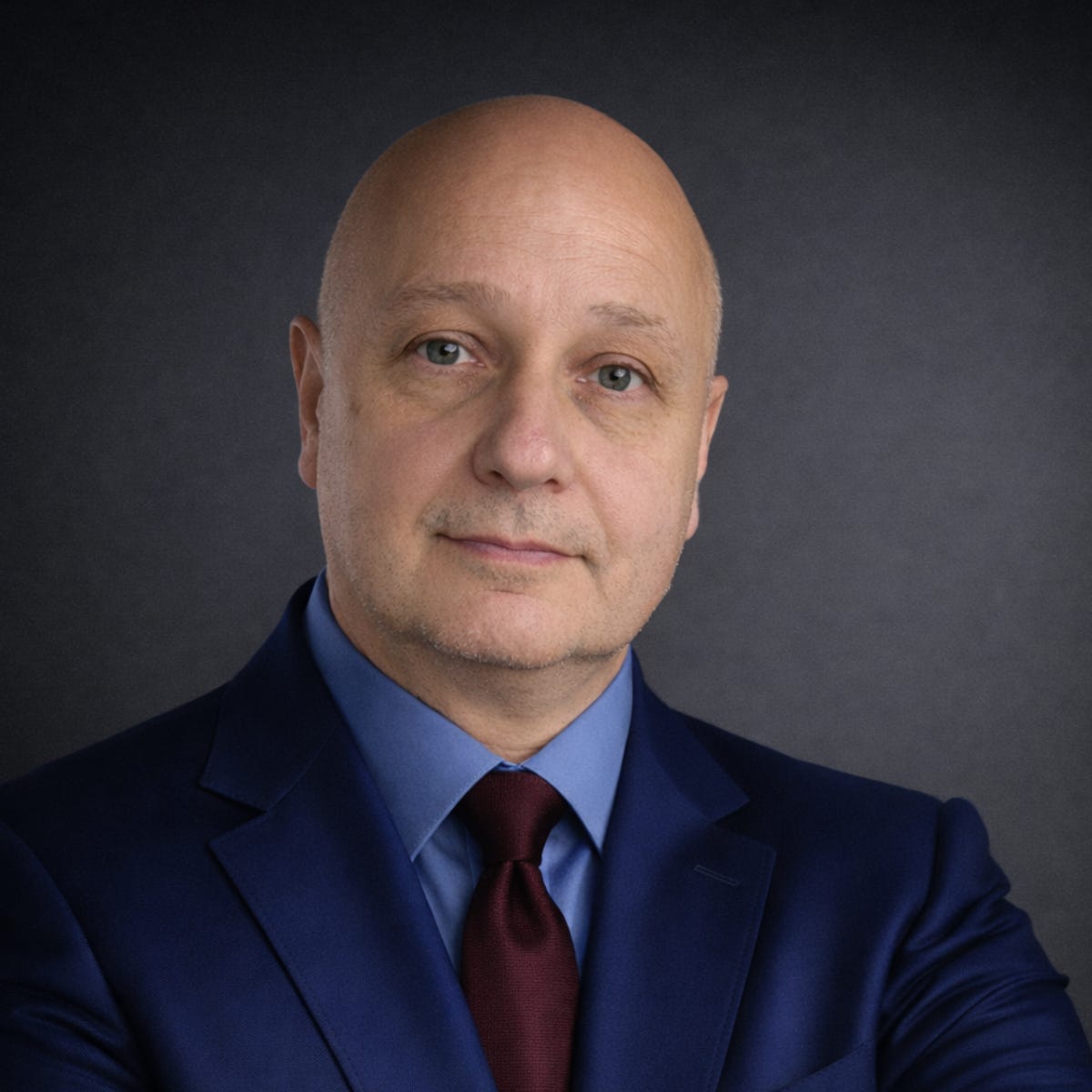
Mike Chanat is a paramedic, leader, and educator with nearly four decades of experience across emergency medical services, fire, and law enforcement. He writes about leadership, presence, and the human moments that shape those who serve
.
It’s been many years since my ENT days, but I still know that feeling, Mike. When you roll-up on a scene, you go into automatic mode. But, afterward, you come back to you, and you start to reflect.